Finding Love in the Age of Dating Apps — What's Changed
Dating apps like Tinder changed how people meet, but also how people hide. Here's what finding love actually looks like now — and why trust matters more than ever.
Finding Love in the Age of Dating Apps — What's Changed

A decade ago, meeting someone on a dating app still carried a slight stigma. Today, it's the default. According to Pew Research, over 30% of U.S. adults have used a dating site or app, and among those under 30, the number climbs past 50%.
But the same technology that makes it easier to find someone also makes it easier to hide. And that tension — between connection and deception — defines modern dating more than any algorithm.
The Promise: More Access, More Options
Dating apps expanded the dating pool beyond what any previous generation had access to. You can match with someone across the city or across the world. Filters let you narrow by age, location, interests, and intentions.
For many people, this works exactly as intended. They meet someone, build a connection, and move forward. Apps like Tinder, Hinge, and Bumble have produced millions of real relationships and marriages.
The technology itself isn't the problem. The problem is what happens when people use it without transparency.
The Reality: Deception Got Easier Too
The same features that make dating apps convenient also make dishonesty frictionless:
- ● Profiles can be created in seconds with no verification
- ● Apps can be hidden or deleted temporarily
- ● Multiple accounts across platforms are easy to maintain
- ● Notifications can be silenced, conversations deleted
This is why a growing number of people in committed relationships discover that their partner has an active dating profile. In fact, many people hide dating apps even in good relationships — not always out of malice, but often out of habit, insecurity, or fear of confrontation. Not because they went looking for trouble — but because the app was never truly deleted, or was quietly reinstalled.
The accessibility of dating apps doesn't just create opportunity for new connections. It creates a constant low-level temptation that previous generations simply didn't have to navigate.
What Trust Looks Like Now
In the past, trust was largely about physical presence and communication. Today, it extends into digital behavior — what's on their phone, which apps are installed, and whether their online activity matches what they say.
This isn't paranoia. It's the natural evolution of trust in a world where so much interaction happens through screens. And acknowledging that shift is actually healthier than pretending it doesn't exist.
Couples who talk openly about their digital boundaries — whether that means sharing passwords, agreeing to delete old profiles, or simply being transparent about app usage — tend to handle the pressure of modern dating far better than those who avoid the conversation entirely.
The Role of Verification in Modern Dating
When someone new enters your life through a dating app, you know almost nothing about them beyond what they choose to show. Their profile is curated. Their stories are self-reported. Their relationship status is unverifiable through the app itself.
This is why verification has become a normal part of dating. Not out of distrust, but out of self-protection. People check social media profiles, Google names, and sometimes use tools designed to check whether someone is active on platforms like Tinder.
This shift toward verification isn't cynical — it's practical. It saves time, protects emotional investment, and helps people make informed decisions about who they let into their lives.
How to Build Something Real
Despite all the complications, finding genuine connection through dating apps is absolutely possible. But it requires a slightly different approach than dating in previous eras:
Be honest about your intentions. If you're looking for something serious, say so. Ambiguity wastes everyone's time.
Pay attention to consistency. Does their behavior match their words? Do they follow through on plans? Consistency over time is the strongest trust signal.
Don't ignore red flags. Sudden phone secrecy, vague answers about past relationships, or reluctance to define the relationship are worth taking seriously — not dismissing.
Protect your time. If something feels off, you don't owe anyone the benefit of the doubt indefinitely. Clarity is worth more than hope.
The Bottom Line
Modern dating is more accessible, faster, and more complex than ever. Apps like Tinder removed geographic barriers but introduced new trust challenges. Finding love in this environment means being both open and careful — willing to connect, but aware enough to recognize when something doesn't add up.
The people who navigate this best aren't the most trusting or the most suspicious. They're the ones who value clarity over assumptions and act on what they observe rather than what they hope. If you’re looking for that clarity, our guide on how to find someone on Tinder explains what actually works.
Looking for Someone?
Our search tool can help you find dating profiles and verify online activity with just a name.
Related Articles
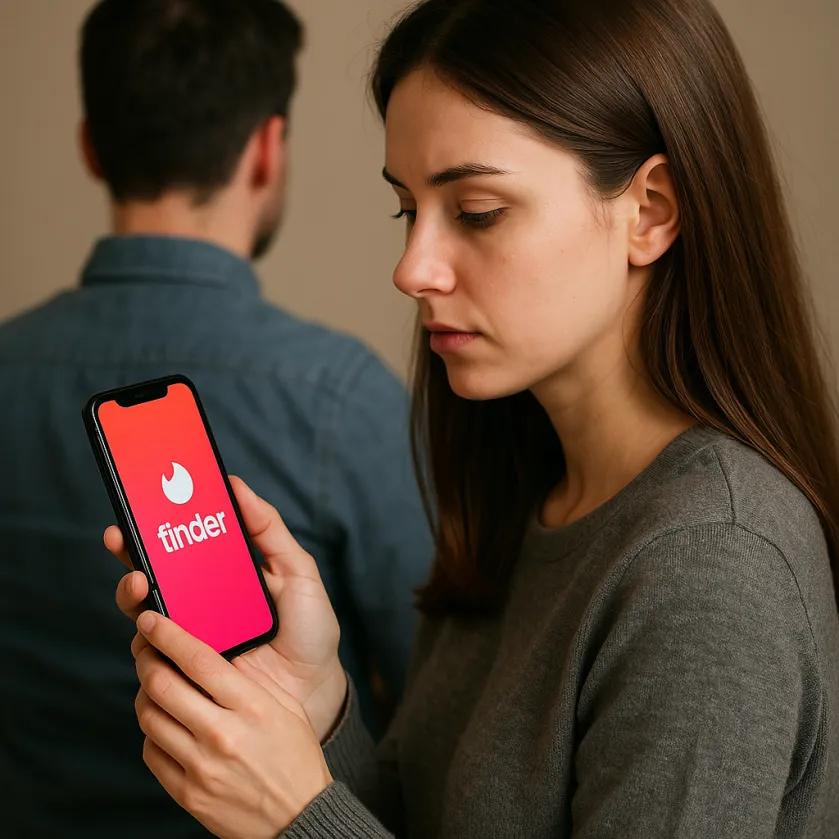
Why People Hide Dating Apps in Good Relationships
Even happy couples keep dating apps hidden. Learn the psychology, fears, habits, and motivations behind secret profiles—and what it really means.
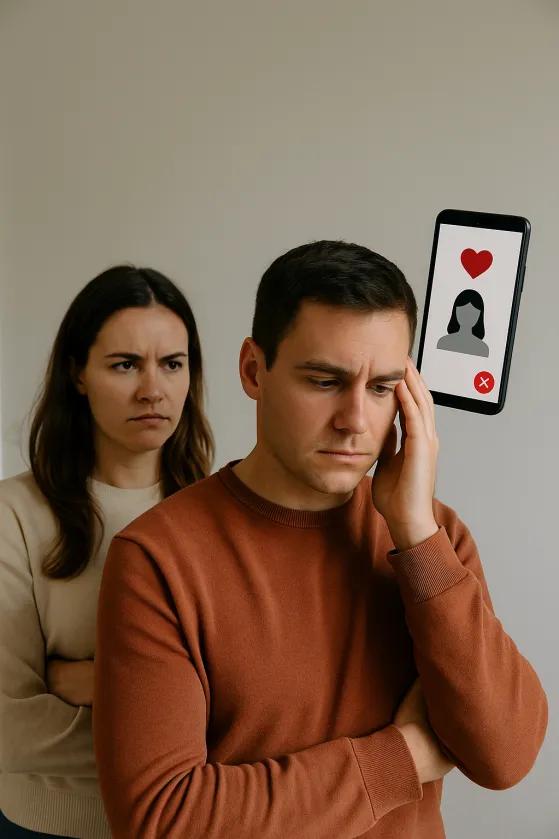
Cheater Psychology: Why People Cheat and How They Think
Understand cheater psychology, common motives behind infidelity, and how people justify cheating behavior.

Why Not Knowing Hurts the Most
Uncertainty can be more painful than truth. Discover a grandmother’s heartbreak and how DoTheySwipe helps uncover what’s really happening.