Why Cheaters Tend to Use Dating Apps
Discover why cheaters turn to apps like Tinder and Bumble — the secrecy, convenience, and how DoTheySwipe helps uncover the truth.
Why Cheaters Tend to Use Dating Apps

Dating apps have changed the way people connect — but not always for the better. While they were designed to help singles meet new people, many cheaters now use them to hide affairs or explore emotional connections outside their relationships.
1. Convenience and Accessibility
One of the main reasons cheaters use dating apps is convenience. With just a few taps, they can meet thousands of potential partners. Unlike traditional affairs that require time and effort, dating apps offer instant access to attention, validation, and flirtation — all from the privacy of a phone screen.
Most platforms don’t verify relationship status, so anyone can sign up without raising suspicion.
The barrier to entry is essentially zero. No identity checks, no relationship verification, no accountability. For someone looking to hide an affair, dating apps offer the path of least resistance — and the lowest chance of getting caught through traditional means. This makes it easy to maintain a double life while appearing loyal.
2. Emotional Escape and Validation
For many, cheating isn’t just about physical attraction — it’s about emotional fulfillment. People in unhappy or distant relationships may turn to dating apps to feel desired again. Matches, likes, and compliments offer an ego boost that can temporarily fill emotional gaps.
Over time, that harmless “validation” can lead to secret conversations, emotional bonds, or full-blown affairs.
What starts as “harmless scrolling” can quickly become an emotional dependency. The cheater begins comparing their partner to the excitement of a new connection — a comparison that’s inherently unfair, since novelty always feels more exciting than familiarity.
3. Anonymity and False Security
Dating apps create a sense of anonymity that encourages risky behavior. Users can hide behind nicknames, fake photos, or new phone numbers. Some even believe that by using incognito or secondary accounts, they won’t get caught.
But in reality, technology leaves digital footprints — and many partners discover hidden activity through apps like DoTheySwipe, a private Tinder search built to check if someone has an active Tinder profile without notifying them.
4. The Thrill of Secrecy
For some, the excitement of being desired by strangers fuels their addiction to dating apps. The secrecy itself becomes part of the thrill — sneaking texts, late-night swipes, and hiding notifications can feel exhilarating. Unfortunately, that same thrill often leads to broken trust and emotional fallout.
This is why many cheaters keep returning to dating apps even after being caught. The behavior becomes compulsive — driven not by logic or desire, but by a neurological loop that rewards secrecy with dopamine. Breaking the pattern requires far more than a simple apology.
5. The Illusion of “Harmless” Behavior
Many cheaters justify their actions by telling themselves it’s “just chatting” or “not real cheating.” But emotional cheating can be just as damaging as physical betrayal. Studies show that emotional affairs often start online, long before any physical contact happens.
6. How Tools Like DoTheySwipe Reveal the Truth
Platforms like DoTheySwipe make it possible to verify if someone has an active Tinder profile. Whether it’s for peace of mind or confronting suspicion, these tools bring transparency to a world built on secrecy. As we recently covered in our post about Alex.
Thousands of people have already used it to uncover hidden activity — and while the truth can hurt, it also brings closure.
The Pattern Most Partners Miss
Cheaters rarely start with grand gestures. The pattern is almost always the same: increased phone privacy, subtle schedule changes, and a vague emotional withdrawal. By the time the betrayed partner notices something concrete, weeks or months of hidden activity have already taken place.
That’s why early detection matters. Waiting for “proof” through confrontation often backfires — the cheater simply deletes evidence and doubles down on denial. Tools that verify activity independently remove that dynamic entirely.
Final Thoughts
Dating apps have made infidelity easier than ever — but they’ve also made it easier to uncover. Whether it’s emotional dissatisfaction, curiosity, or thrill-seeking, the reasons behind cheating are complex.
If you’re struggling with doubts, remember that trust is built on honesty. If you suspect something’s wrong, our full guide on finding someone on Tinder covers the methods available and the limits of each one.
Looking for Someone?
Our search tool can help you find dating profiles and verify online activity with just a name.
Related Articles
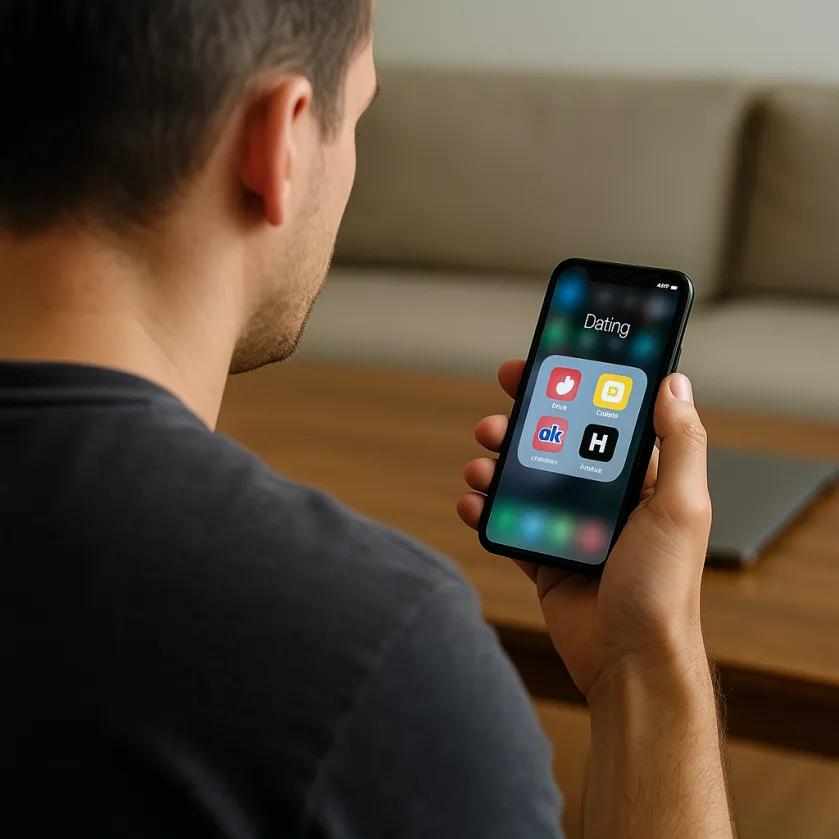
The Psychology of Cheaters on Dating Apps
Discover the real psychology and data behind why cheaters return to dating apps. Learn the patterns, triggers, and hidden behaviors partners miss.
Why People Cheat Instead of Leaving: The Psychology Behind Infidelity
Why do people cheat instead of ending the relationship? Learn the key psychological patterns behind infidelity decisions.
Why People Use Dating Apps When Abroad Travel
Many use dating apps like Tinder abroad not just to meet locals. Discover reasons travelers download them and how to spot if your partner is using one.